|
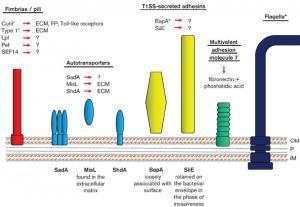
An obligatory step in cellulose degradation by anaerobic bacteria is the adhesion of the bacterium to the polysaccharide. In many anaerobic bacteria the adhesion protein, and the enzymes required for polysaccharide hydrolysis, are organized into a complex and interesting structure called the cellulosome. The genetics and biochemical characteristics of cellulosomes are quite diverse, but very little is known about the events underpinning the synthesis and assembly of these interesting complexes. My laboratory is currently examining the production and characteristics of these complexes in a variety of anaerobic cellulolytic and non-cellulolytic bacteria. My lab is also interested in the adhesion of bacteria to plant surfaces, and we have identified a novel form of cellulose-binding protein, produced by the gram-positive, cellulose-degrading anaerobe Ruminococcus albus. This protein is a member of the Pil-protein family, and is very similar to the type 4 fimbrial proteins of Gram-negative, pathogenic bacteria. These studies have provided new insights into the adhesion of bacteria to plant surfaces, and call attention to the likely existence of genetically analogous adhesion determinants in both pathogenic and non-pathogenic bacteria. A number of cellulose-degrading microorganisms are now the subject of genome sequencing projects, which will facilitate a more global analysis of the genetics and molecular biology controlling this key process in the cellulose degradation.
My laboratory is also studying the microbial interactions that support optimal rates and extent of cellulose degradation. One example is the requirement by Ruminococcus albus for micromolar amounts of phenylacetic and phenylpropionic acids, which stimulate the formation of cellulosome-like complexes and maximal rates of cellulose degradation. Other members of the microbial community produce these phenyl-substituted fatty acids, and my laboratory is currently investigating how R. albus responds to these compounds, by using techniques such as differential display RT-PCR and proteomics. A second example is the synergistic association between cellulose-degrading eubacteria and methanogenic archaea, via the process known as interspecies hydrogen transfer. Many cellulose-degrading bacteria will produce hydrogen during fermentation, which permits the bacterium to produce additional ATP by substrate-level phosphorylation, and affords faster rates of growth and cellulose degradation. However, the cellulose-degrading bacteria are dependent on the consumption of hydrogen by autotrophic methanogens to maintain this energetically favorable pathway of fermentation. Now that the genomes of several methanogens and cellulose-degrading bacteria have been completely sequenced, it will be possible to investigate this synergistic association more completely. An ultimate goal for our research is to use genomics and related methods to understand the molecular details of these microbial interactions and improve the bioconversion of cellulosic wastes into useful products such as ethanol. |

Morrison, M. and Miron, J. 2000. MiniReview: Adhesion to cellulose by Ruminococcus albus: a combination of cellulosomes and Pil-proteins? FEMS Microbiol. Letts. 185: 109-115
Heng, N.C.K., Bateup, J.M., Loach, D.M., Wu, X., Jenkinson, H.F., Morrison, M. and Tannock, G.W. 1999. The influence of different functional elements of plasmid pGT232 on the maintenance of recombinant plasmids in Lactobacillus reuteri populations in vitro and in vivo. Appl. Environ. Microbiol. 65: 5378-5385.
Larson, M.A. and Morrison, M. 1999. Application of the differential display RT-PCR technique to examine conditional gene expression in Ruminococcus albus. In: Bell, C.R. et al. (Eds.) Microbial Biosystems: New Frontiers. Proc. 8th Int. Symp. Microb. Ecol
Pegden, R. S., Larson, M.A., Grant, R.J., and Morrison, M. 1998. Adherence of the gram-positive bacterium Ruminococcus albus to cellulose, and identification of a novel form of cellulose-binding protein which belongs to the Pil-family of proteins. J. Bacteriol. 180: 5921-5927.
White, B.A., Cann, I.K.O., Mackie, R.I., and Morrison, M. 1997. Cellulase and xylanase genes from ruminal bacteria. Domain analysis suggests a non-cellulosome model for organization of the cellulase complex. pp. 69-80. In: Onodera, R. et al. (Eds.) “Rumen Microbes and Digestive Physiology of Ruminants ” Japan Scientific Societies Press, Tokyo, Japan. |